
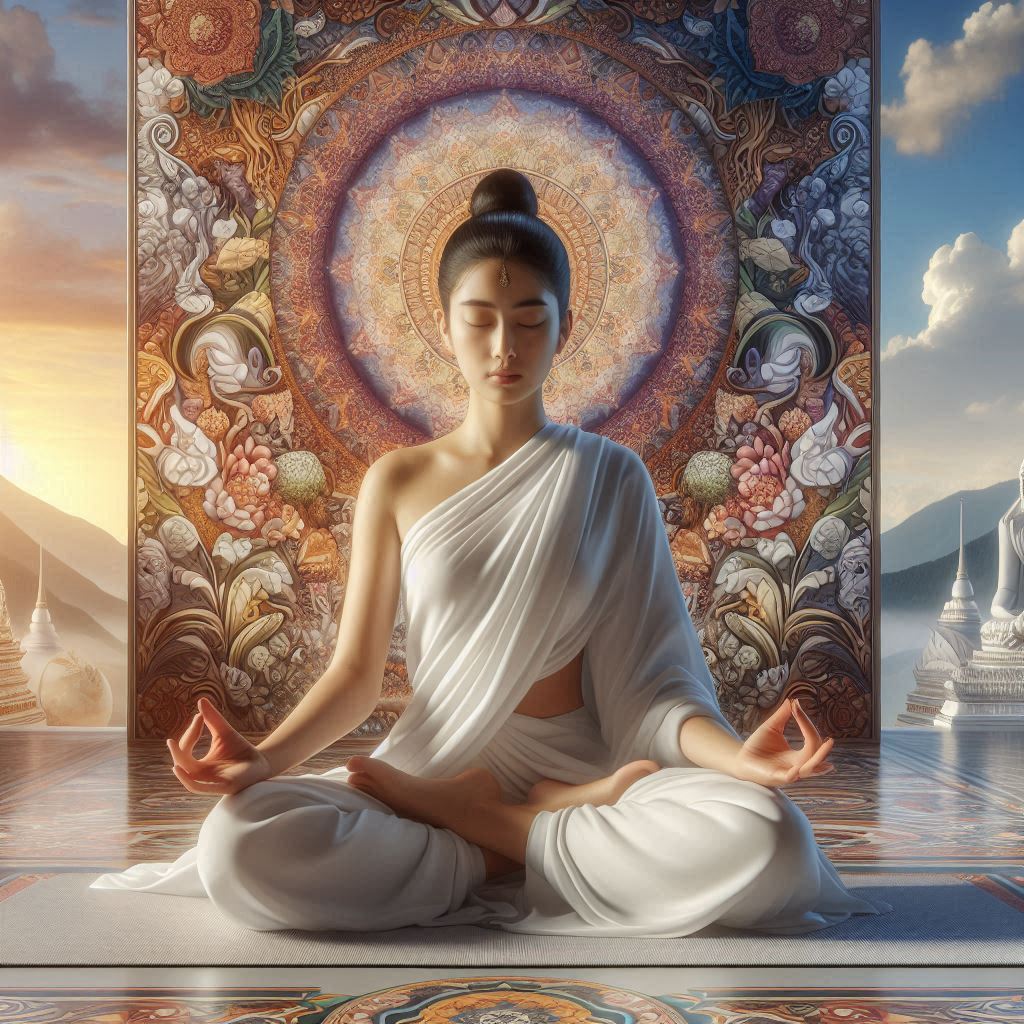
If you are like me, you need to find time to get your meditation practice. That’s easier said than done when you have a full-time job. It’s even more difficult if you have a family vying for your time. I am not promoting the idea that you forsake your family or work in pursuit of inner peace. You have to fit in your mediation around these demands.
Some people can also head off for a month’s retreat in an exotic location. Unfortunately, I am not one of these. If you are in the same boat as me, there is no need to despair. I have devised a 30-day Vipassana retreat you can do at home.
Being flexible
With this plan, you need to be adaptable. There will be situations that may interrupt your schedule. Don’t feel like the suggestions below are set in concrete. Allow for the contingencies that could occur during your monthly meditation retreat. However, inform your family (if you have one) of your desire to spend the next four weeks focusing on meditation and why: primarily for more inner peace which will enhance your well-being and strengthen relationships.
My plan breaks down each day into achievable, mindful-based activities, which are created to be as immersive as possible but without a significant amount of time commitment.
Ready to get started on your 30-day Vipissanna retreat? Let’s look at week 1!
Week 1: Building the foundation
The focus of the first week is establishing a morning and evening meditation routine. You don’t want to rush headlong into the practice even though you may be chomping at the bit to get started. Take it one day at a time.
Begin your day with 5 minutes of deep breathing, and follow this with a 10-minute body scan. In the evening, do gratitude journalling in which you write down 3 to 5 things you are thankful for that occurred during the day. Then spend 10 minutes doing a relaxation meditation.
During your weekend, find a quiet time in which you can practice an hour in silence. You mustn’t be disturbed throughout this period, so turn off any cellphones, and don’t talk. That doesn’t mean you have to shut yourself off from family, enjoy being around them in quietness.
Week 2: Expanding your focus and awareness
In your second week, you begin to extend your meditation time.
Your morning practice for this week is 10 minutes of mindful breathing. At the end of this exercise, take another 5 to 10 minutes to visualise yourself calm and centred within. At midday (or as close to this as possible), pause and do 5 minutes of mindful breathing. The evening practice is a 15-minute loving-kindness meditation designed to help you cultivate compassion towards yourself and others.
The weekend challenge is for you to choose a 2-hour activity with your family (e.g. cleaning, cooking) or friends (e.g. watching a movie, having a coffee somewhere). Do the activity with full presence and awareness. Focus on the sensory experiences without being distracted.
Week 3: Cultivating silence and reflection
The third week is about introducing periods of silence and contemplation into your daily activities.
Your morning meditative practice now extends to 20 minutes in length. The focus is on observing your thoughts without judgment. Allow them to merely arise and disappear, labelling them as “thinking”, then return your attention back to your breathing. In the evening, spend 15 minutes either journalling or in reflective silence before going to bed.
At the weekend you are going to do a 4-hour mini-silent retreat. Just like the first week, avoid technology. Dedicate half the day (this could be in the morning) to silence and mindfulness at home. There is to be no talking. It’s a time for focus, meditation, reflection, or quiet activities
Week 4: Deepening the practice
The final week of your retreat sees you tying all the practices together in a comprehensive way that will serve you well for the future. Completing your retreat doesn’t mean you stop your meditation. This has been merely the springboard that leads you toward profound peace and holistic well-being.
For the morning practice, spend 20 minutes in mindfulness meditation, followed by an additional 10 minutes setting your intentions for the day. Do a 5-minute breathing exercise at lunchtime. In the evening, spend 30 minutes reflecting on how different you feel since you started your vipassana retreat. Make note of any insights you have gained.
The weekend will see you having a half-day retreat. Use this time to meditate, pondering, and journalling about the transformation you’ve experienced over the previous month.
Key tips for you to get the most from the experience
As I mentioned in the introduction, it’s important that you get family on board. Share your goals with them and let them know the time commitments so that they can understand and support you over the 30 days.
Adjust your energy levels. This is where adaptability comes in. If you have had a hard day at work or a bad night’s sleep, adjust the schedule of the retreat. Don’t force yourself or cause physical and emotional burnout.
Above all, show self-compassion and empathy. Mindfulness isn’t about perfection. There is no correct way to meditate. I have spent countless times getting frustrated with myself because I felt I missed the goal. Anyone who meditates will tell you to let go of expectations. That’s what I learned to do.
Please, please, don’t get hard on yourself if you think you have done it wrong. You haven’t done anything wrong. It’s a practice! The more you do it, the better you become. Don’t have any suppositions about the right and wrong way. Remember, there is no such thing when it comes to meditation.
Just sit, focus on your breathing, and be.
When you do, you will start to get to appreciate what vipassana meditation is about: awareness, insight, and self-reflection.
On a final note, the meditations I have linked to above are simply suggestions. They are helpful for beginners. Those of you who are more experienced meditators may have your own methods for the practices. That’s fine.
I wish you all the best for your retreat!
If you have anything you wish to discuss, then please reach out to me. I’d love to help you.
.
 spiritually.enlightened.being